EN
EN Ukraine is preparing a new State Program to Combat Human Trafficking for 2026–2030
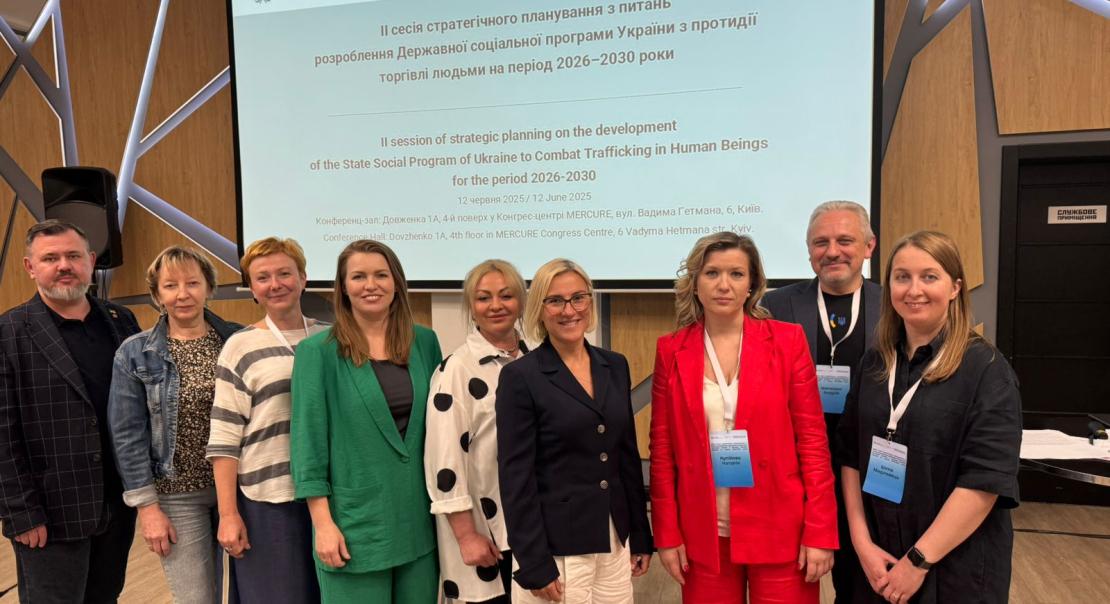
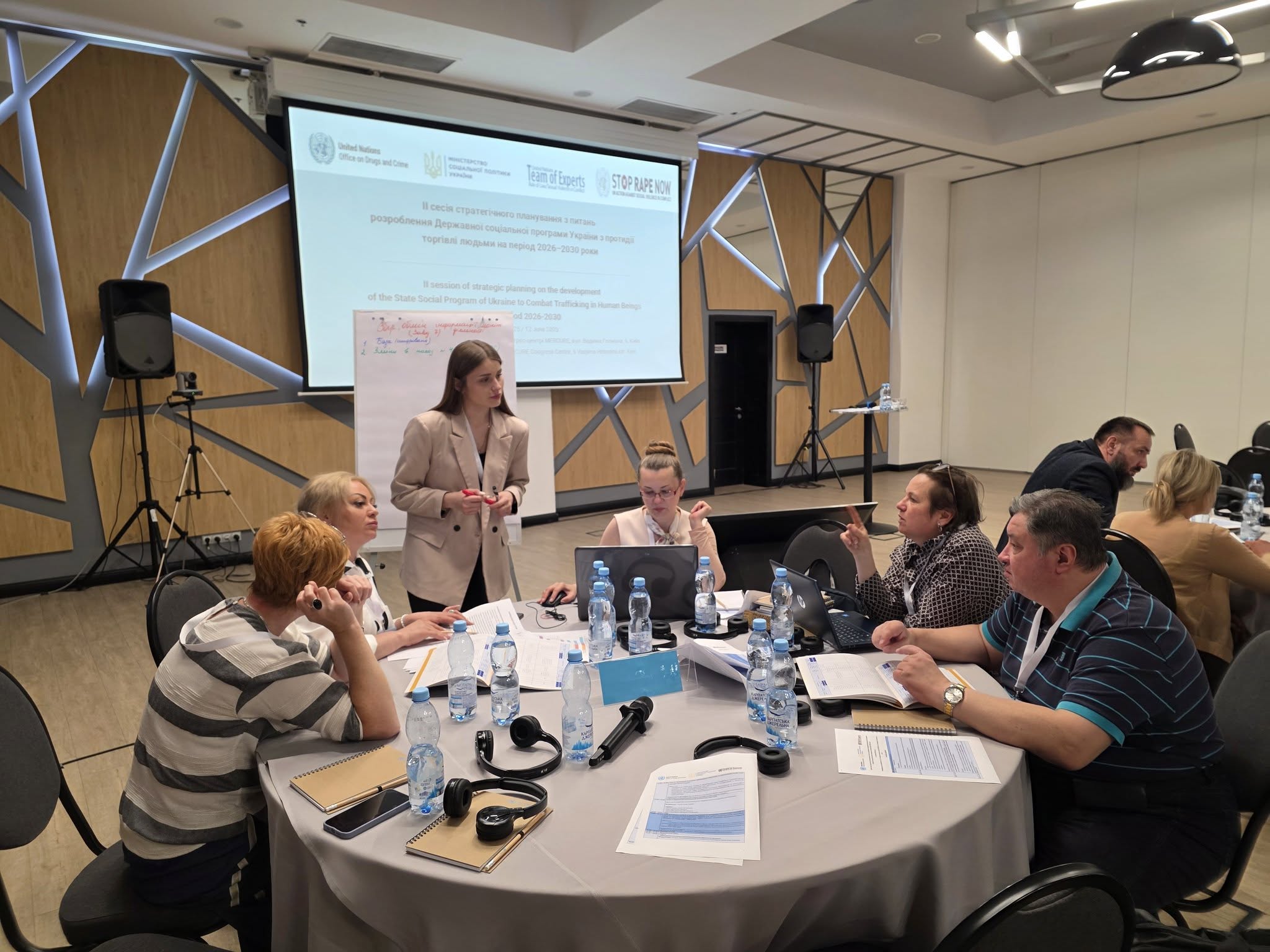
The event was organized by the Ministry of Social Policy of Ukraine together with the United Nations Office on Drugs and Crime (UNODC)
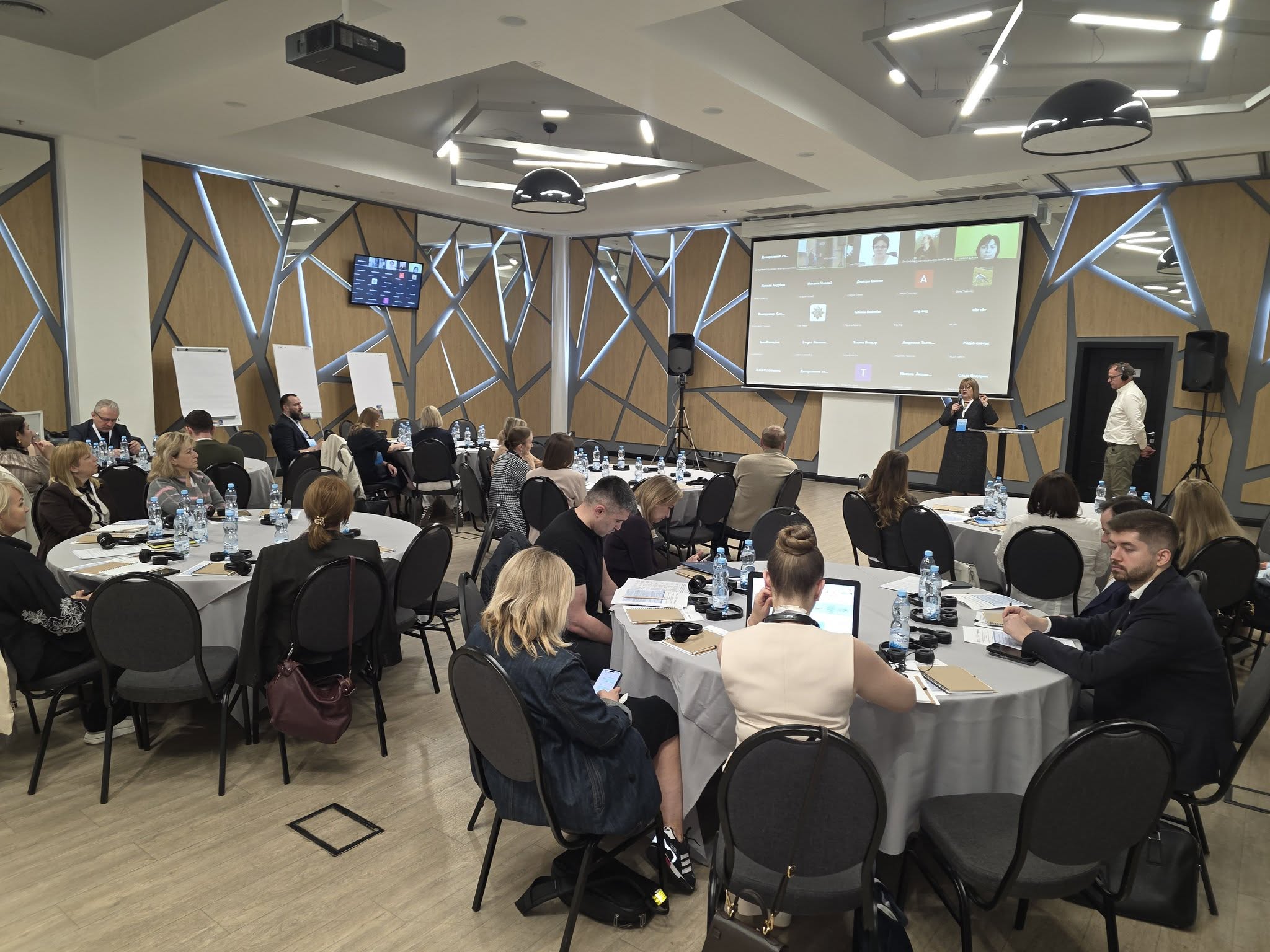
On June 12, the Second Strategic Planning Session was held in Kyiv, dedicated to the development of a new State Social Program of Ukraine on countering human trafficking.
The event was attended by representatives of state bodies, international structures, and civil society. Among them was the Counter–Trafficking NGO Coalition. We shared the results of our study visit to Brussels. By the way, in 2023, more than 10,700 victims of human trafficking were identified in the EU, including 174 Ukrainians. For comparison: in 2022, Ukrainian citizens accounted for up to 30% of all identified cases.
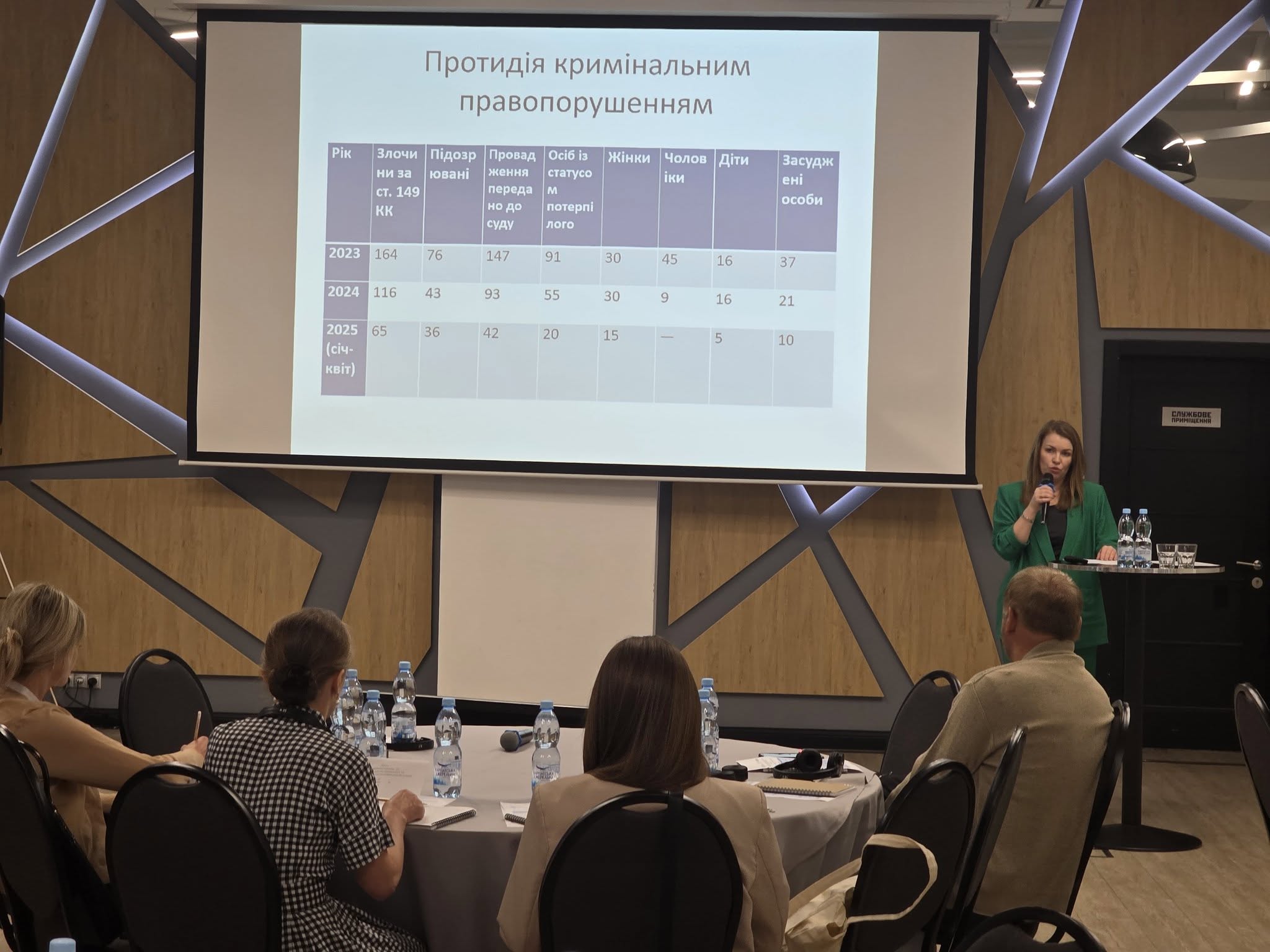
What was discussed at the Second Strategic Planning Session: the results of implementing the current program until 2025 (effectiveness, impact, sustainability); proposals developed during the trainings in April; recommendations of international partners and visions for new strategic directions. The team of experts – Yuliia Savchenko, Maryna Pasiechnyk, and Viktor Valchuk – provided thorough analytical conclusions and proposals for the new program. In particular, Viktor Valchuk, UNODC consultant, conducted a study on the compliance of Ukrainian legislation with international obligations.
Ukraine has already implemented the main provisions of international documents (the Palermo Protocol, the Council of Europe Convention, the EU Directive 2011/36).
But key gaps remain:
- lack of digital forms of exploitation in legislation;
- no liability provided for legal entities;
- underdeveloped system for victim identification;
- weak response at the community level;
- limited interagency coordination.
The new State Program is a chance to build a system that not only responds but also prevents. And one that works in the interests of every person, regardless of where they have suffered or are in need of support.
 Counter–Trafficking NGO Coalition
Press Service
A benchmark for change is the new EU Directive 2024/1712, which proposes:
- to include new forms of exploitation (surrogacy, forced marriages, online recruitment);
- to guarantee free legal aid for victims;
- to introduce the position of an independent national rapporteur.