
 EN
EN How the EU combats human trafficking – and why it matters for Ukraine
Training for those who help children cope with trauma
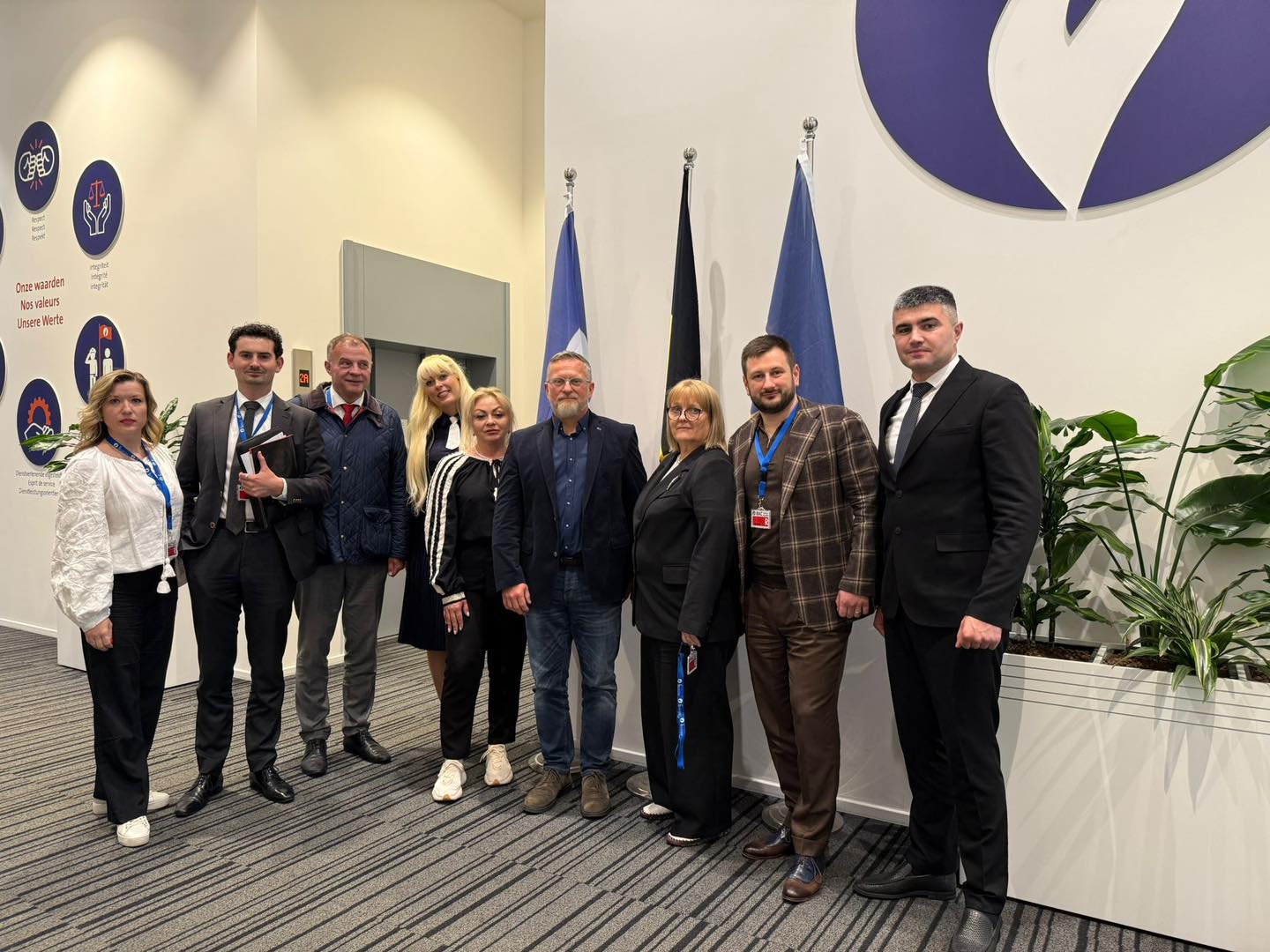
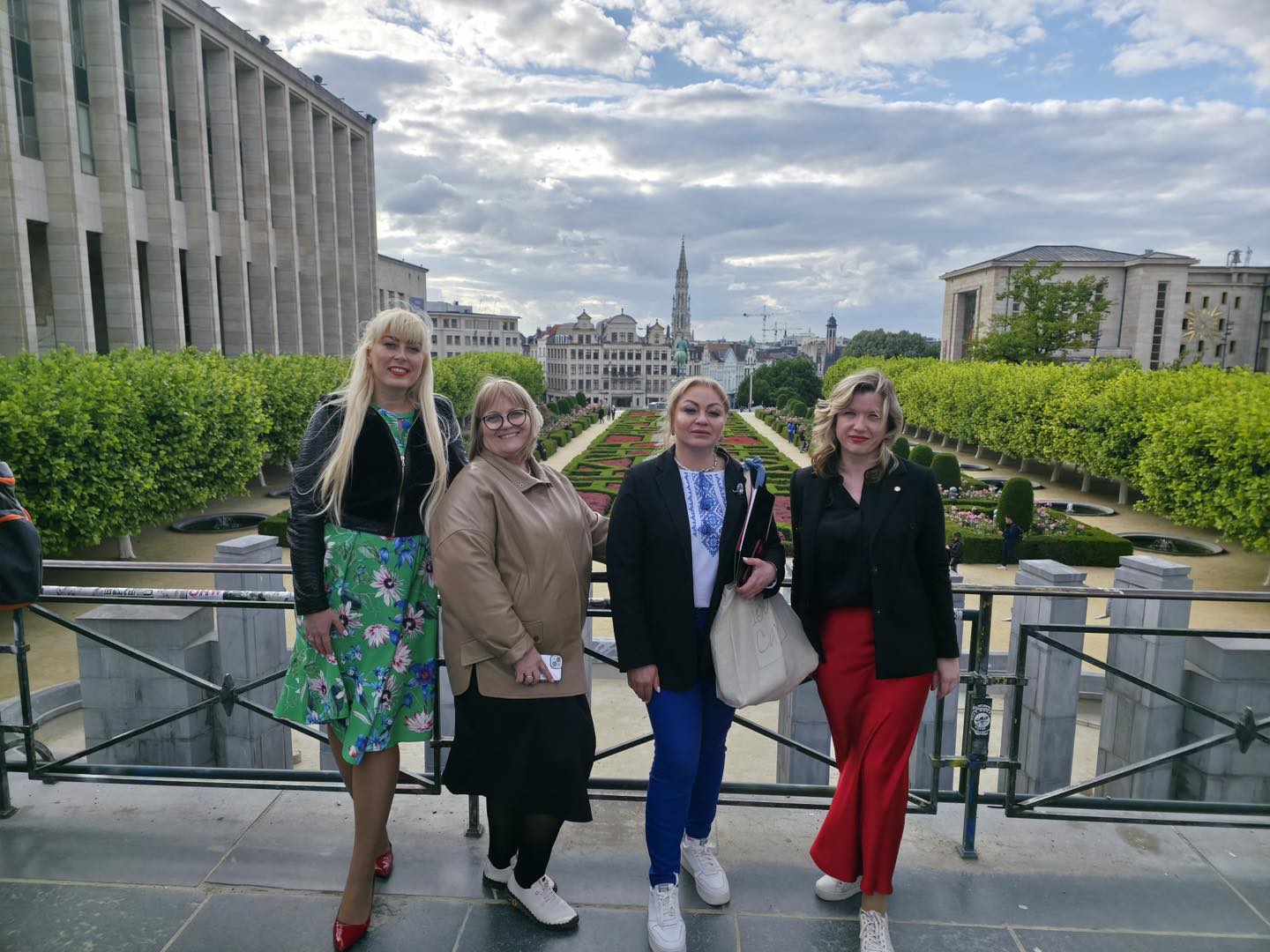
Last week, representatives of the Counter–Trafficking NGO Coalition, the Ministry of Social Policy of Ukraine, the Office of the Government Commissioner for Gender Policy, the Office of the Prosecutor General, and the Office of the President of Ukraine visited Brussels as part of a study visit organized with the support of UNODC – United Nations Office on Drugs and Crime. The goal was to adapt Ukrainian state policy to EU standards and strengthen victim protection.
We met with EU and Belgian anti-trafficking coordinators, representatives of the justice system, police, prosecution, migration service, as well as NGOs that support victims, manage shelters, closely cooperate with law enforcement, and work alongside anti-trafficking coordinators.
One of the most interesting elements is the model of the National Rapporteur in Belgium. This is an independent position within an NGO structure, funded by the state budget. Such a format ensures autonomy, sustainability of work, and accountability.
Good legislation without trained professionals does not work. That is why an effective approach is a flexible strategy for countering human trafficking with a focus on the local level and well-educated specialists. This is exactly the approach demonstrated by EU countries – and the one that should be adapted in Ukraine.
In the EU in 2023, more than 10,700 victims were identified, of whom only 174 were Ukrainians. For comparison, in 2022 Ukrainians accounted for up to 30%. This indicates that preventive campaigns are working.
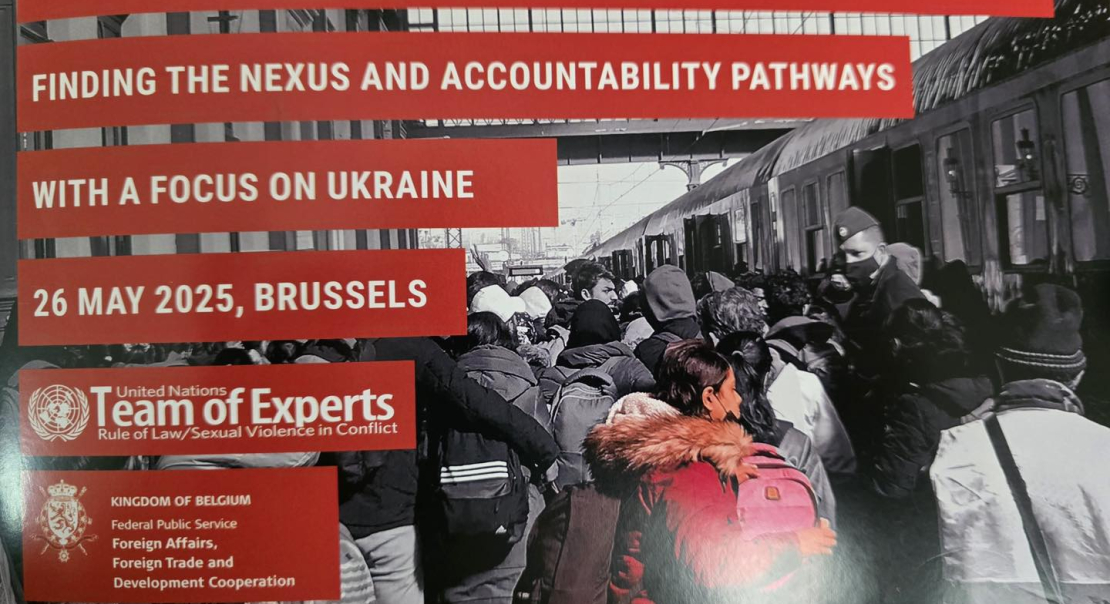
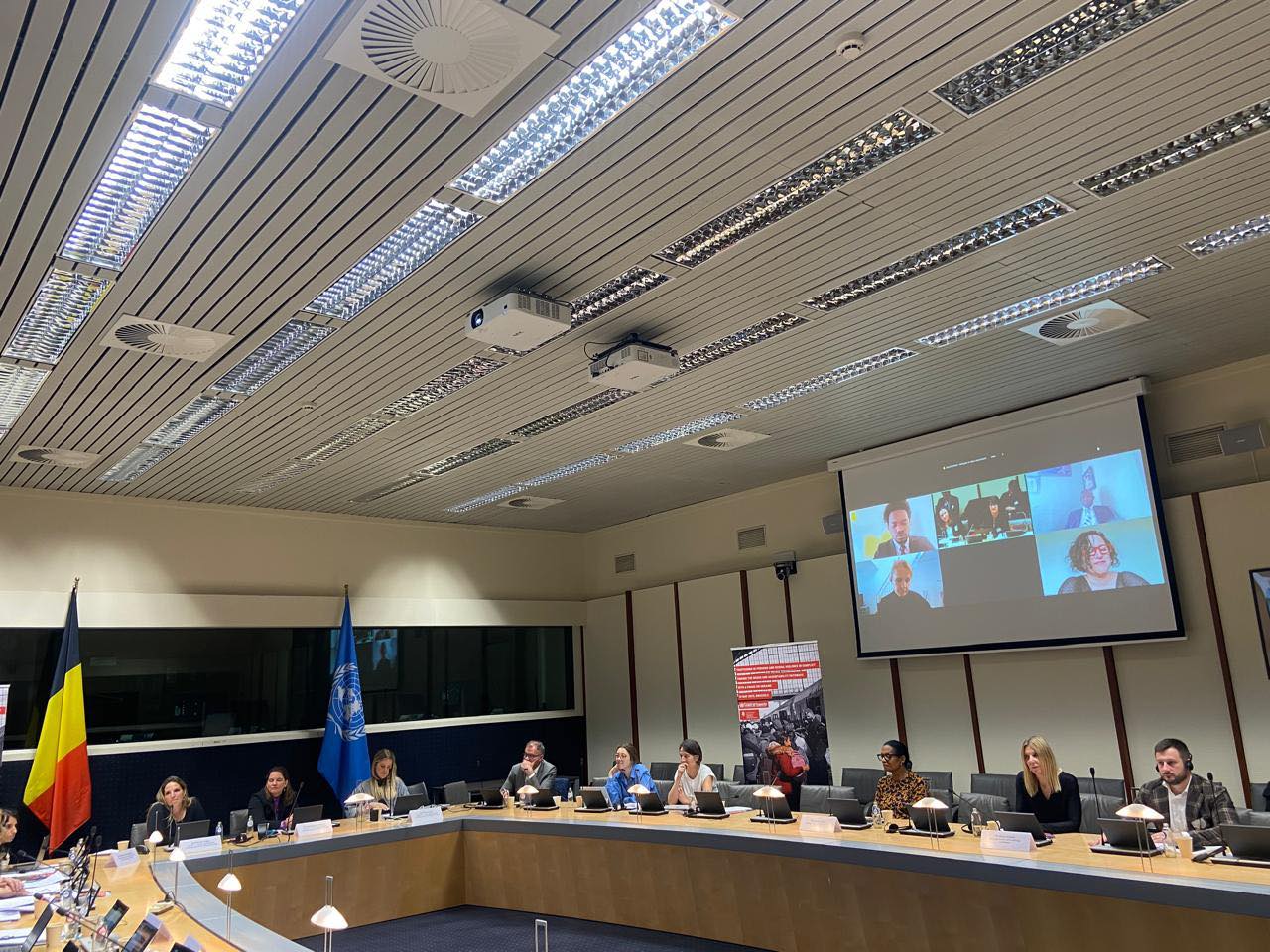
The Ukrainian delegation also took part in the presentation of the UN Expert Group’s report on the link between sexual violence in conflicts and human trafficking.
Among the key recommendations:
- clear legal definitions;
- victim-centered justice;
- interagency cooperation and team training;
- international interaction;
- investment in capacity and awareness;
- a forum for sharing policies and practices.
The future was also discussed – in particular, the possibility of the Ministry of Social Policy joining EU working groups. This is a step toward compensation for victims and more effective international cooperation.
This visit is more than an exchange of experience. It is a step toward a strong Ukrainian system that works for people – and one that relies not only on laws, but also on partnership, training, and concrete action.
 Counter–Trafficking NGO Coalition
Press Service
