
 UA
UA News and Events
Countering human trafficking in Ukraine since 2011
Important and necessary information! Let’s fight for freedom together!
The Capacity of Women’s Organizations – in Numbers, Solutions, and Impact
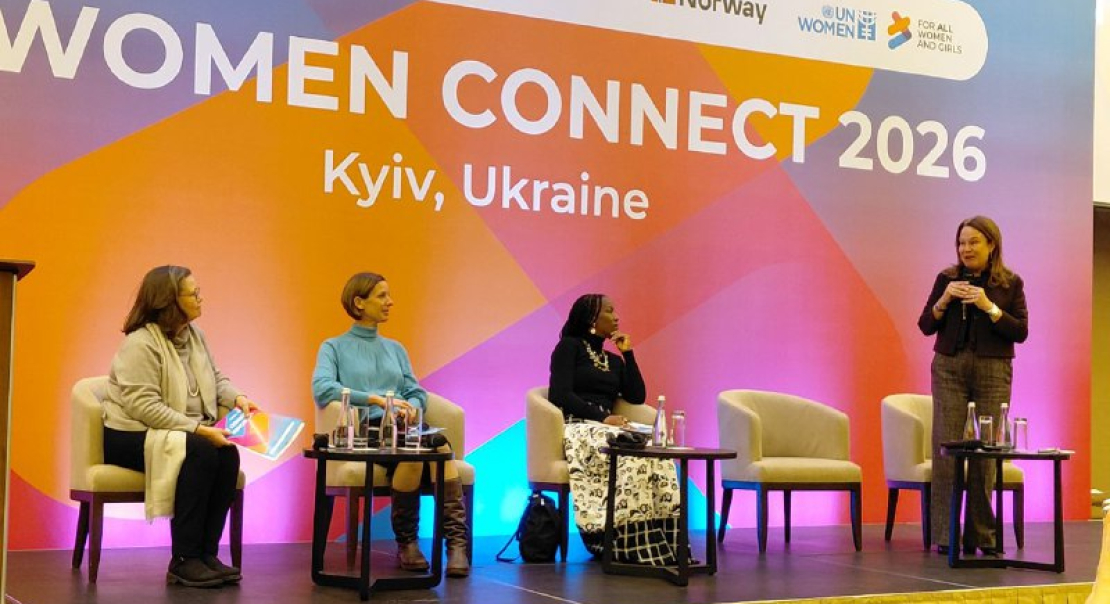
Women’s civil society organizations in Ukraine today operate simultaneously across several dimensions
Humanitarian response, rights protection, psychosocial support, recovery, and advocacy. Their role and capacity were discussed on February 5–6 in Kyiv during UN Women Connect 2026. The event was attended by representatives of the Counter–Trafficking NGO Coalition, Anatolii Pavlenko and Iryna Biriuk.

The event became a space for dialogue between women’s organizations, international partners, and donors on support priorities for 2026 – in the context of war, recovery, and long-term humanitarian challenges.
During the event, the results of the Women’s Peace & Humanitarian Fund (WPHF) work in Ukraine for 2022–2025 were presented.
Projects by areas of impact (total – 145):
- humanitarian response – 31 projects;
- protection of women and girls (including responses to gender-based and conflict-related sexual violence) – 47 projects;
- peacebuilding and recovery – 28 projects;
- institutional strengthening of women’s civil society organizations – 39 projects.
Direct beneficiaries – 152,792 people, including:
- 140,535 women and 12,257 girls;
- 78,300+ internally displaced persons;
- 13,700+ women and girls with disabilities.


Support included evacuation (5,356 people), mental health and psychosocial assistance (54,894 women and girls), livelihood support, self-employment, women-friendly spaces, as well as organizational capacity development.
In the context of war, women’s organizations often become the first point of support for people in crisis. Loss of income, forced displacement, and psychological trauma – all of these increase the risks of exploitation and human trafficking.
Therefore, investing in women’s organizations is not just humanitarian aid. It is prevention, reduction of vulnerability, and the creation of conditions in which people have alternatives to dangerous scenarios.
 Counter–Trafficking NGO Coalition
Press Service
This is precisely what we see as the foundation for effective combating of human trafficking in the context of war and recovery
For our Coalition, such platforms are not just an exchange of experience but also an opportunity to discuss systemic solutions that reduce vulnerability to exploitation, strengthen protection, and provide people with real alternatives to dangerous scenarios.
Latest news
Countering human trafficking in Ukraine since 2011
Today is not about dates, but about people
Those who were forced to work without pay, sold, involved in crimes, or exploited


0
victims
