
 UA
UA News and Events
Countering human trafficking in Ukraine since 2011
Important and necessary information! Let’s fight for freedom together!
Strengthening Local Safety Systems in Communities

In frontline and war-affected regions of Ukraine, the safety of women and girls remains one of the key humanitarian challenges. The risks of violence, social vulnerability, and limited access to support services increase in communities impacted by war. In these conditions, establishing an effective, coordinated response system to violence–built on trauma-informed and survivor-centered principles–becomes a priority at the local level.
With this objective, the Public Union “Counter–Trafficking NGO Coalition” has launched the project “United Against Violence: Education, Support, Solidarity,” implemented in six regions of Ukraine: Sumy, Kharkiv, Dnipropetrovsk, Zaporizhzhia, Mykolaiv, and Odesa oblasts. The project aims to strengthen local response mechanisms by supporting women working in the education sector, reinforcing interagency cooperation, and developing safe environments within communities.
A key element of effective violence prevention is the functioning of a coordinated interagency system that brings together local self-government bodies, social services, educational institutions, police, healthcare facilities, and other response actors. Such cooperation ensures timely identification of violence cases, appropriate referral of survivors, and access to comprehensive assistance.
As part of the project launch, active work has already begun in communities across the six regions. In particular, multidisciplinary working group meetings were held in the Samarivska and Magdalynivska communities of Dnipropetrovsk oblast, initiated by Coalition representatives Olena Morhun and Larysa Skrypchenko. The meetings involved representatives of local council structural units responsible for social protection, education, child protection, as well as specialists from social service centers.
During the meetings, participants analyzed the implementation of local programs and action plans in the field of preventing and combating domestic and gender-based violence, assessed the effectiveness of interagency coordination and service interaction, reviewed the functioning of local response algorithms, and identified current community needs and opportunities to strengthen the support system. These working meetings serve as a practical tool for improving local response mechanisms. They help clarify the roles of responsible actors, align procedures in cases of identified violence, strengthen safe referral pathways for survivors, and enhance cross-sectoral cooperation.
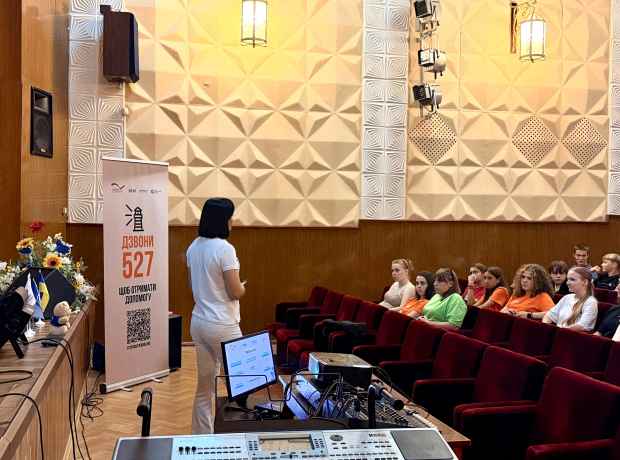
Following the meetings, further consultations are planned to update local action plans, as well as to conduct humanitarian information sessions for women working in education. Educators constitute one of the key professional groups that interact daily with children and families and play a critical role in early risk identification, the creation of safe environments, and referrals to support services. Strengthening coordination among the education sector, social services, police, and healthcare institutions forms the foundation of an effective response system, as systematic cooperation ensures timely access to assistance for women who have experienced or are at risk of violence.


A coordinated response system saves lives, as clear interagency cooperation enables the rapid identification of violence cases and ensures access to assistance. The local level is crucial, as communities are the first to face emerging challenges and play a decisive role in protecting women and girls. Education remains a point of early detection, since teachers are often the first to notice signs of risk or violence and can activate the support mechanism. Prevention reduces long-term consequences, while strong local response mechanisms decrease the recurrence of violence and social vulnerability. Systemic cooperation strengthens communities, creates a safer environment, and increases trust in the support system.
This material was prepared within the framework of the project “United Against Violence: Education, Support, Solidarity,” implemented by the Public Union “Counter–Trafficking NGO Coalition” with the support of the International Rescue Committee (IRC). The content of this publication is the sole responsibility of the authors and does not necessarily reflect the position of the donor.
Latest news
Countering human trafficking in Ukraine since 2011
Today is not about dates, but about people
Those who were forced to work without pay, sold, involved in crimes, or exploited


0
victims
