
 UA
UA News and Events
Countering human trafficking in Ukraine since 2011
Important and necessary information! Let’s fight for freedom together!
Prevention of Human Trafficking Risks Among Youth: Regional Experience of Ivano-Frankivsk Region

In the context of the full-scale war, economic instability, and high population mobility, the risks of human trafficking remain acute, particularly for young people. Job seeking, participation in international programs, internal and cross-border migration, and the active use of digital platforms generate both new opportunities and new threats. Insufficient awareness of safe conduct during travel and employment processes increases adolescents’ vulnerability to fraud, recruitment schemes, and exploitation.
Prevention therefore constitutes a core component of the anti-trafficking response system. It is not limited to information dissemination; it involves developing practical risk-assessment skills, strengthening critical thinking, and fostering responsible decision-making. Early educational interventions reduce the likelihood of exploitation and decrease the subsequent need for crisis response mechanisms.

One example of such a systemic approach is the work of Caritas Ivano-Frankivsk, a regional representative of the NGO Coalition Against Human Trafficking in the Ivano-Frankivsk region. The organization integrates preventive interventions with comprehensive assistance to survivors, ensuring continuity of support–from risk prevention to rehabilitation and reintegration.
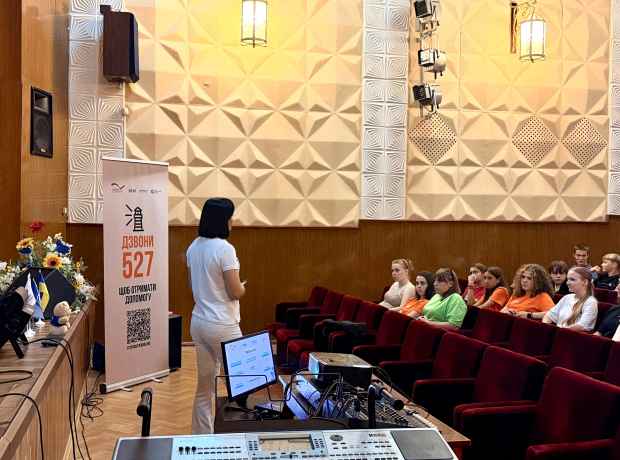
During information sessions with adolescents, the focus is placed on common recruitment schemes, indicators of risky employment offers, safe migration guidelines, and clear action algorithms in suspicious situations. A critical component is the development of information verification skills and awareness of personal responsibility for one’s own safety. Interactive methodologies, including the board game “Liza and Her Friends Travel the World,” enable participants to simulate potentially dangerous scenarios and practice safe decision-making within a structured learning environment.


This approach fosters a culture of safety among youth. Awareness strengthens communities, while systemic prevention reduces exploitation risks at the stage of initial independent decisions–regarding travel, education, or employment.


If a person has been affected by human trafficking in the Ivano-Frankivsk region, they can seek consultation through the Caritas Ivano-Frankivsk hotline: 068 322 49 77.
If assistance is needed in other regions of Ukraine or abroad, contact information for member organizations of the NGO Coalition Against Human Trafficking is available on the Coalition’s website: https://coalition.org.ua/ua/contact
Latest news
Countering human trafficking in Ukraine since 2011
Today is not about dates, but about people
Those who were forced to work without pay, sold, involved in crimes, or exploited


0
victims
