
 UA
UA News and Events
Countering human trafficking in Ukraine since 2011
Important and necessary information! Let’s fight for freedom together!
Over 300,000 Ukrainians Have Survived Human Trafficking: Why Timely Identification Can Save a Person
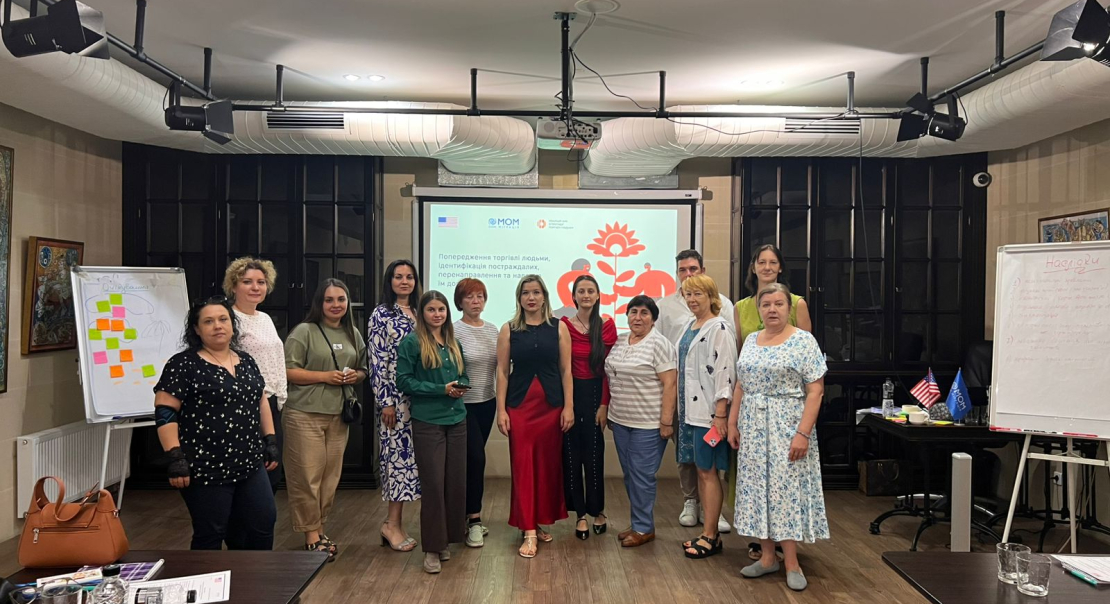
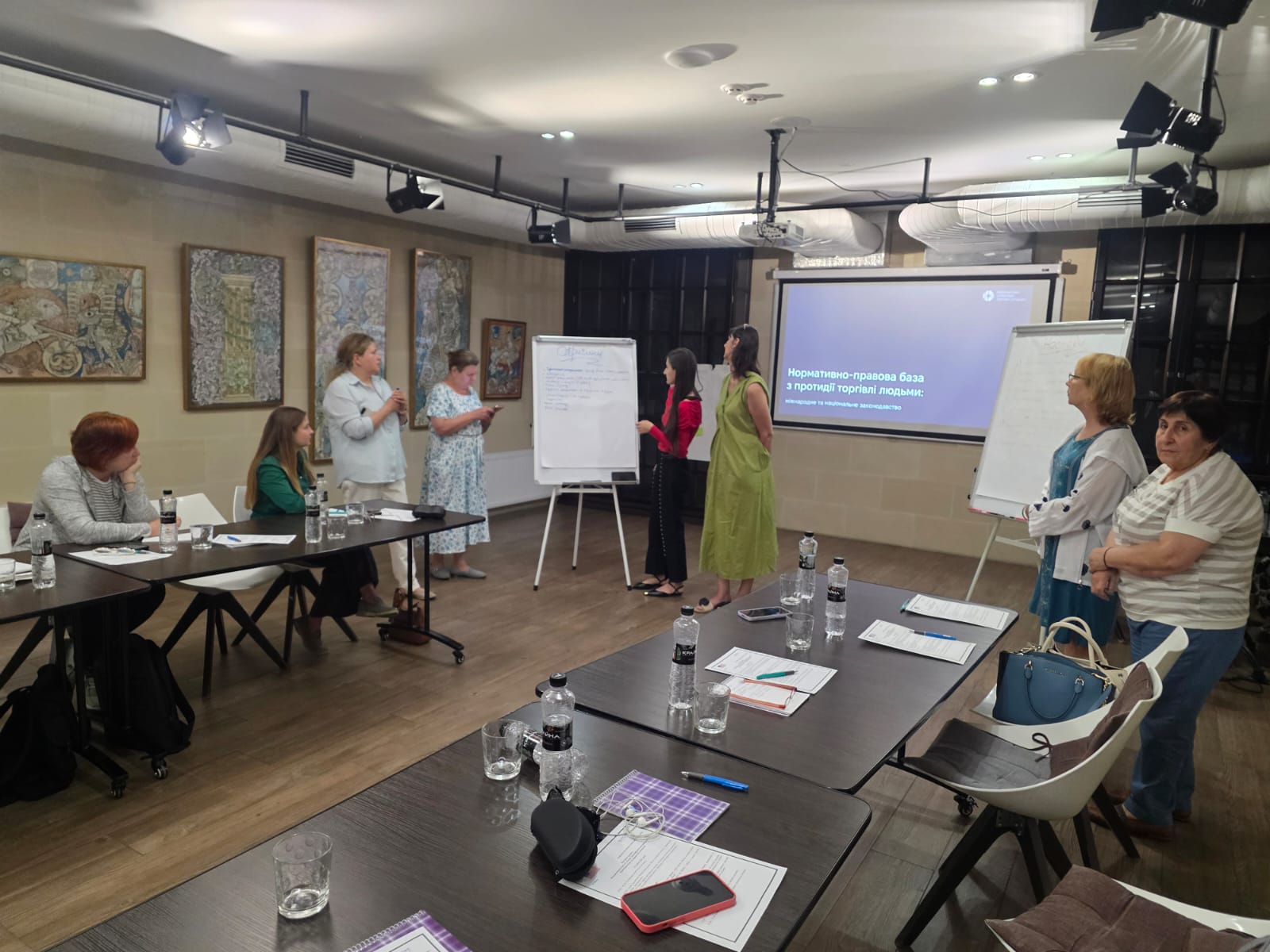
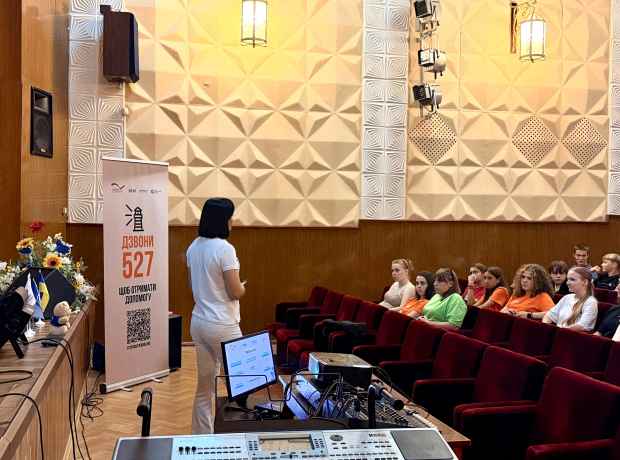
On 23 June in Odesa, Nataliia Kulikova, Chair of the Board of the Counter-Trafficking NGO Coalition, delivered the training “Prevention of Human Trafficking, Identification of Survivors, Referral, and Assistance Provision”.
More than 300,000 Ukrainians have survived human trafficking since 1991. These are data from the Representation of the International Organization for Migration in Ukraine. Behind this figure is not abstract statistics, but people whose vulnerability, trust, or difficult life circumstances were exploited.
Human trafficking often does not begin with obvious violence. It may begin with a promise of work, an offer of accommodation, “help” in a difficult moment, or the belief that this certainly could not happen to me. But there is no universal portrait of a person who has survived human trafficking.
According to IOM, 64% of human trafficking cases in 2025 involved labour exploitation. These are situations in which a person is forced to work without pay or in conditions that do not match what was promised; has documents or a phone taken away; has movement controlled; is threatened; is kept in unsuitable conditions; or is deprived of access to medical care, communication, or support.
It is also important to break other stereotypes. Human trafficking is not only about women, not only about crossing borders, and not only about people without education or support. According to IOM, 48% of survivors of human trafficking are men, and 65% of survivors have higher or technical education.
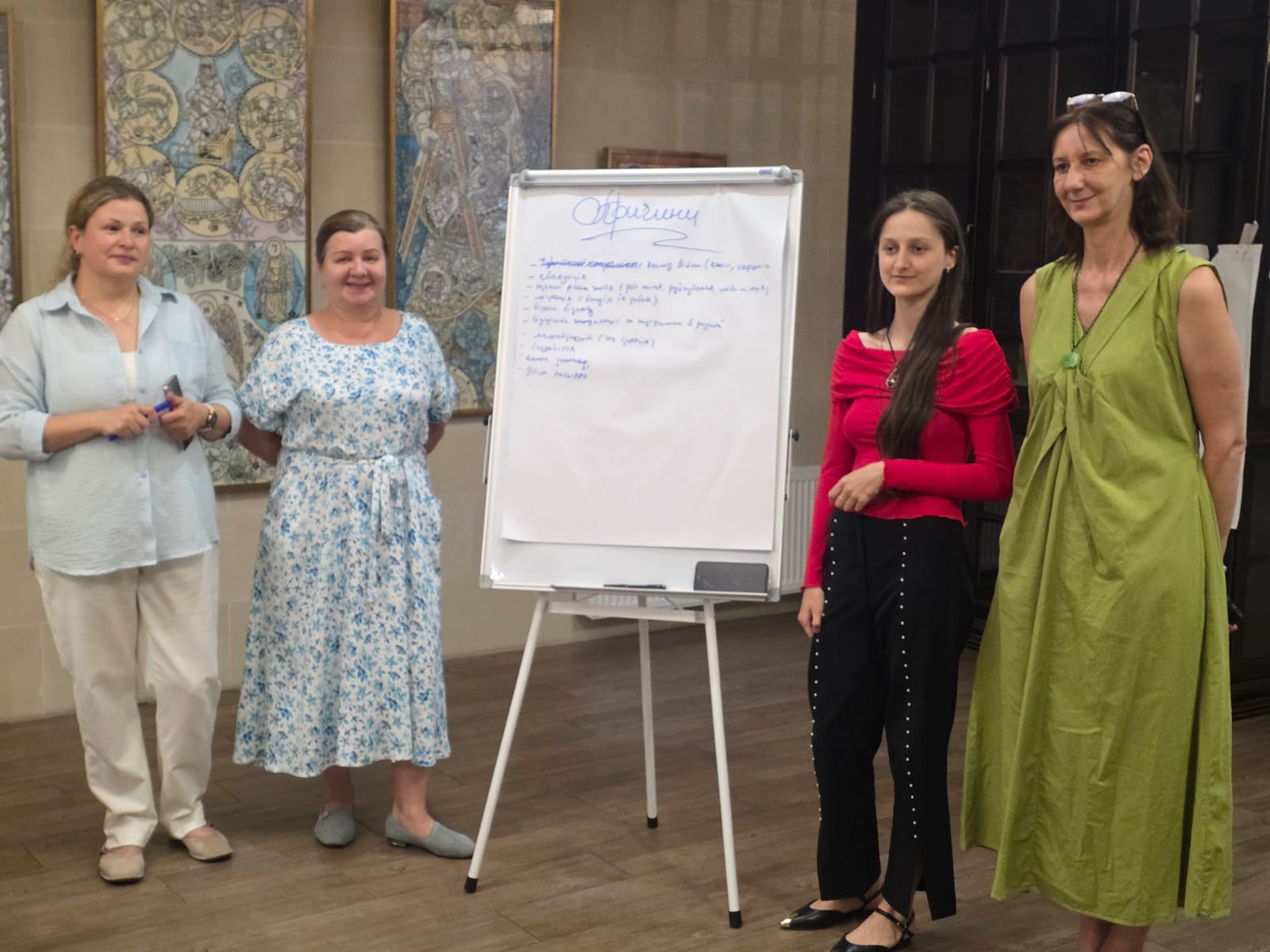
Vulnerability may arise because of job loss, forced displacement, lack of housing, debt, isolation, war, the need to quickly find income, or trust in a person who seems “one of our own”. That is why timely identification of people who have survived human trafficking is critically important.
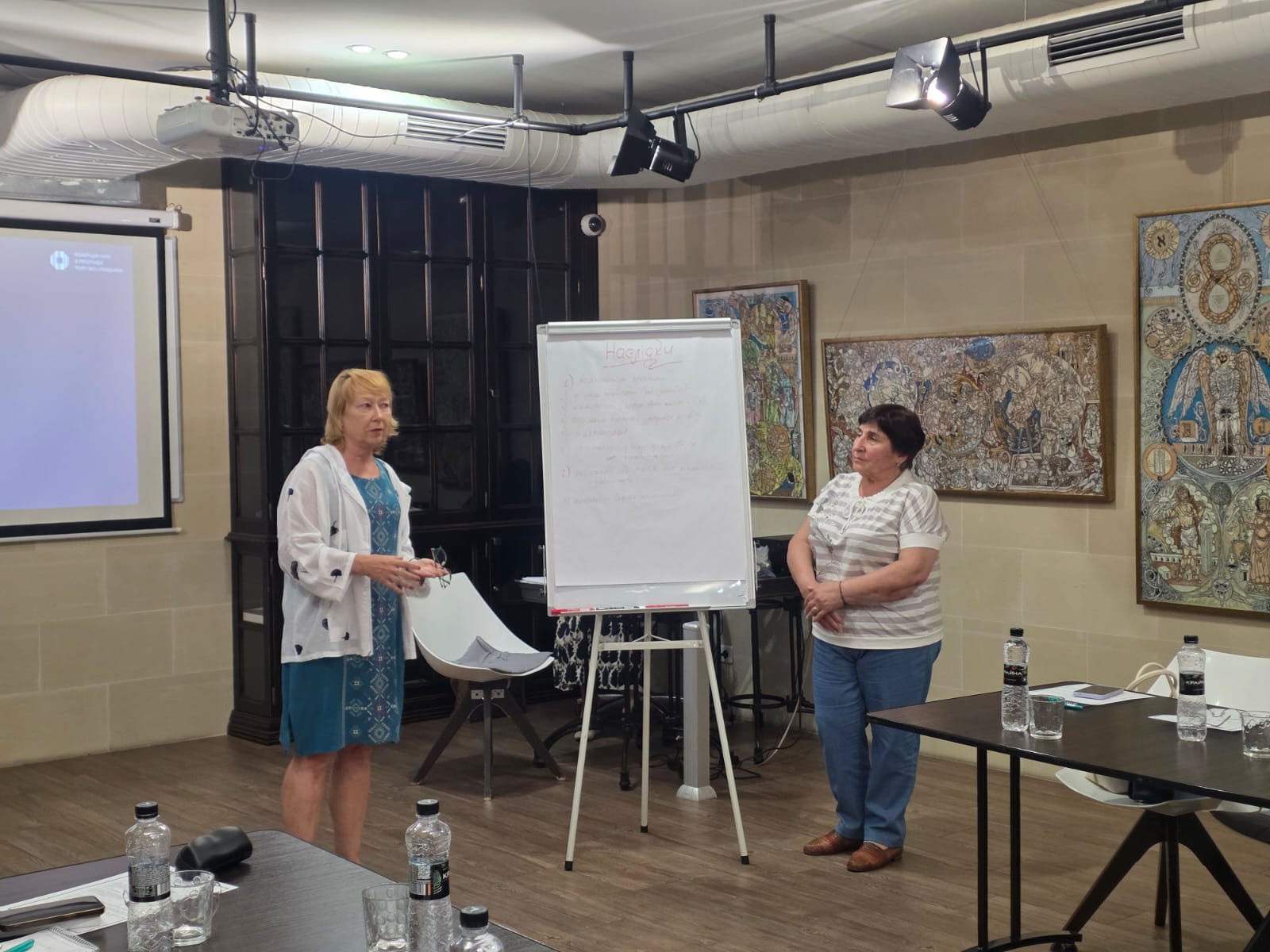
The training in Odesa focused on the prevention of human trafficking, the identification of survivors, referral, and the provision of assistance. During the training, participants discussed myths and facts about human trafficking, the scale of the problem, contemporary forms of exploitation, risk groups, the stages of falling into a trafficking situation, as well as direct and indirect indicators that may point to exploitation.
Particular attention was paid to how to act when there is suspicion that a person has been harmed. In practical work, it is important not only to know the signs of human trafficking, but also to understand how to communicate safely with a person, not pressure them, not devalue what they have experienced, and properly refer them for assistance.
As part of the training, participants also reviewed the regulatory and legal framework for countering human trafficking, including international and national legislation, the procedure for establishing the status of a person who has survived human trafficking, and the work of the National Referral Mechanism of actors in the field of countering human trafficking.
This mechanism is important to ensure that a person is not left alone with the consequences of exploitation, but can receive support according to their needs.
 Counter-Trafficking NGO Coalition
Press Service
A person who has survived exploitation may not immediately describe their experience as a crime. They may be afraid, ashamed, distrustful, too exhausted to share details, or unaware that they have the right to assistance.
That is why a trauma-informed approach was an important part of the training. For the professionals who are the first to come into contact with a survivor, it is not enough simply to know the procedures. They must be able to listen without judgment, ask appropriate questions, respect a person’s boundaries, and avoid re-traumatisation.
Participants also discussed the rights of people who have survived human trafficking. These include the right to medical, psychological, social, legal, and other necessary assistance, temporary accommodation, support in employment, and the exercise of the right to education and vocational training.
According to IOM, 20,681 survivors received comprehensive assistance tailored to their individual needs. The ages of the youngest and oldest survivors were 3 and 83. These figures once again confirm that human trafficking can affect people of different ages, genders, educational backgrounds, professions, and life experiences.
During wartime, the risks of human trafficking and exploitation increase. People who have lost their jobs, housing, stable income, or have been forced to leave their homes may be more likely to accept dubious offers of work, accommodation, or assistance.
This does not mean that the person is “to blame” or “should have been more careful.” Responsibility for exploitation always lies with the perpetrators. But it does mean that there must be professionals nearby who can identify the risks in time, respond appropriately, and help the person access support.
The relevance of this work is also confirmed by requests for consultation. Between 1 January and 31 March 2026, the National Hotline on Counter-Trafficking and Migrant Counselling, 527, received 7,046 requests via telephone, online chat, email, and the website contact form. Forty people who contacted the hotline were preliminarily identified as survivors of human trafficking, exploitation, and violence and were referred for further assistance.
This means that access to information, initial counselling, and safe referral can be the first step towards leaving a situation of exploitation.
Countering human trafficking begins with attentiveness. With the ability to see not only a difficult life situation, but also possible signs of exploitation. And with the readiness to act professionally, in a coordinated way, and with respect for the person.
The training was conducted within the framework of the IOM project “Countering Human Trafficking and Related Risks in Emergency Response in Ukraine,” with support from the U.S. Department of State Office to Monitor and Combat Trafficking in Persons.
You can seek advice through the National Hotline for Countering Human Trafficking and Migrant Counselling: 527 from a mobile phone, or 0 800 107 527 from a mobile or landline phone. The hotline operates daily from 07:00 to 22:00, free of charge and confidentially.
Counter-Trafficking NGO CoalitionPress Service
Latest news
Countering human trafficking in Ukraine since 2011
Today is not about dates, but about people
Those who were forced to work without pay, sold, involved in crimes, or exploited


0
victims
