
 UA
UA News and Events
Countering human trafficking in Ukraine since 2011
Important and necessary information! Let’s fight for freedom together!
His life was valued at $5,000. Justice took eight years

An ordinary summer day, an ordinary shop
Between the grocery shelves — a child who cannot yet speak for himself, and an adult who should have been his protection.
In July 2017, a small boy became an object of trafficking, and his life was valued at $5,000. That day, his mother offered another person to “purchase” her son. The crime was exposed, but that did not mean immediate protection or justice. Years of struggle lay ahead — for a verdict, for accountability, and for the child’s right not to be left alone with the consequences of this crime.
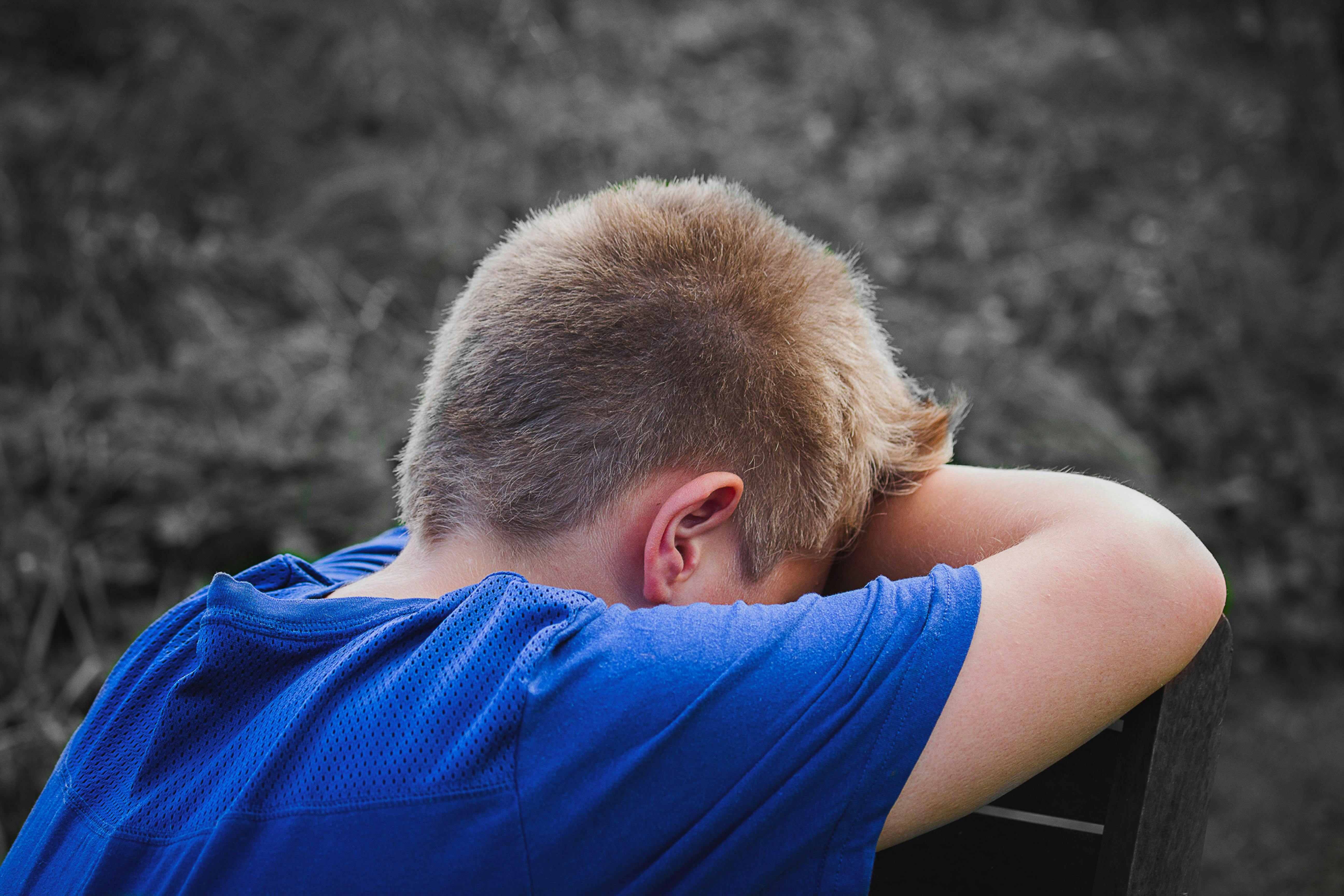
In November 2025, the court found the accused guilty of committing a crime under Part 3 of Article 149 of the Criminal Code of Ukraine. The sentence was 8 years of imprisonment. The civil claim for compensation of moral damages was granted. The verdict entered into legal force. Throughout this entire time, the boy’s interests were represented by lawyers from the public human rights organization “Egida-Zaporizhzhia”.
This decision cannot restore the child’s sense of safety that was destroyed. But it carries a different significance: it confirms that a crime has no statute of limitations for public attention and does not disappear due to systemic fatigue. For the boy, this verdict means the most important thing — he is protected, and his right to safety has been recognized.
Child trafficking is not an abstract phenomenon and not an isolated case. It begins where a child is left without support and adults are left without responsibility. That is why early identification and immediate response are critically important.
 Counter–Trafficking NGO Coalition
Press Service
Specialists from Coalition member organizations, with the support of partners:
- train specialists working with children to correctly identify risks;
- conduct preventive activities for children using safe, play-based formats;
- help respond in time to danger signals while the crime can still be prevented;
Any information about crimes against a child, including child trafficking, requires immediate response.
Report to:
- National Police of Ukraine at 102;
- National Hotline for Combating Human Trafficking and Migrant Counseling: 0 800 505 501 or 527 (free from mobile numbers in Ukraine).
Latest news
Countering human trafficking in Ukraine since 2011
Today is not about dates, but about people
Those who were forced to work without pay, sold, involved in crimes, or exploited


0
victims
