
 UA
UA News and Events
Countering human trafficking in Ukraine since 2011
Important and necessary information! Let’s fight for freedom together!
Countering Human Trafficking in Focus of Ukraine’s Tenth Periodic Report to CEDAW: The Coalition Joined the Expert Discussions
Human Trafficking Does Not Exist in Isolation from Other Human Rights Violations
Amid the full-scale war, the risks of exploitation are increasingly intertwined with forced displacement, economic vulnerability, gender-based and sexual violence, as well as challenges survivors face in accessing justice, protection, and comprehensive assistance.
It is therefore important that these interconnections be properly reflected not only in practical work with survivors, but also in Ukraine’s public policy and international reporting.
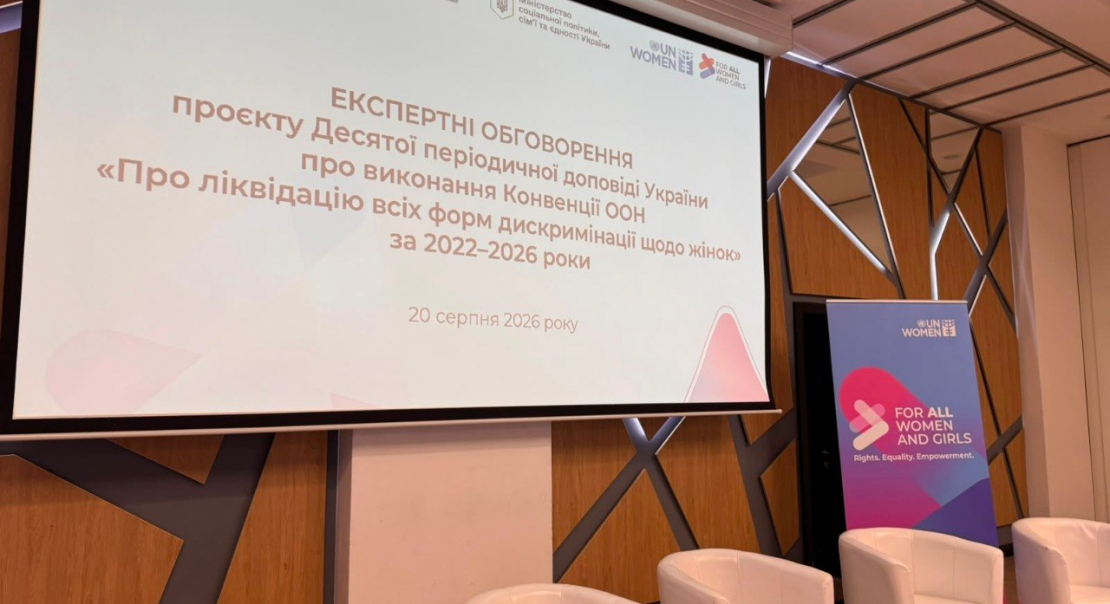
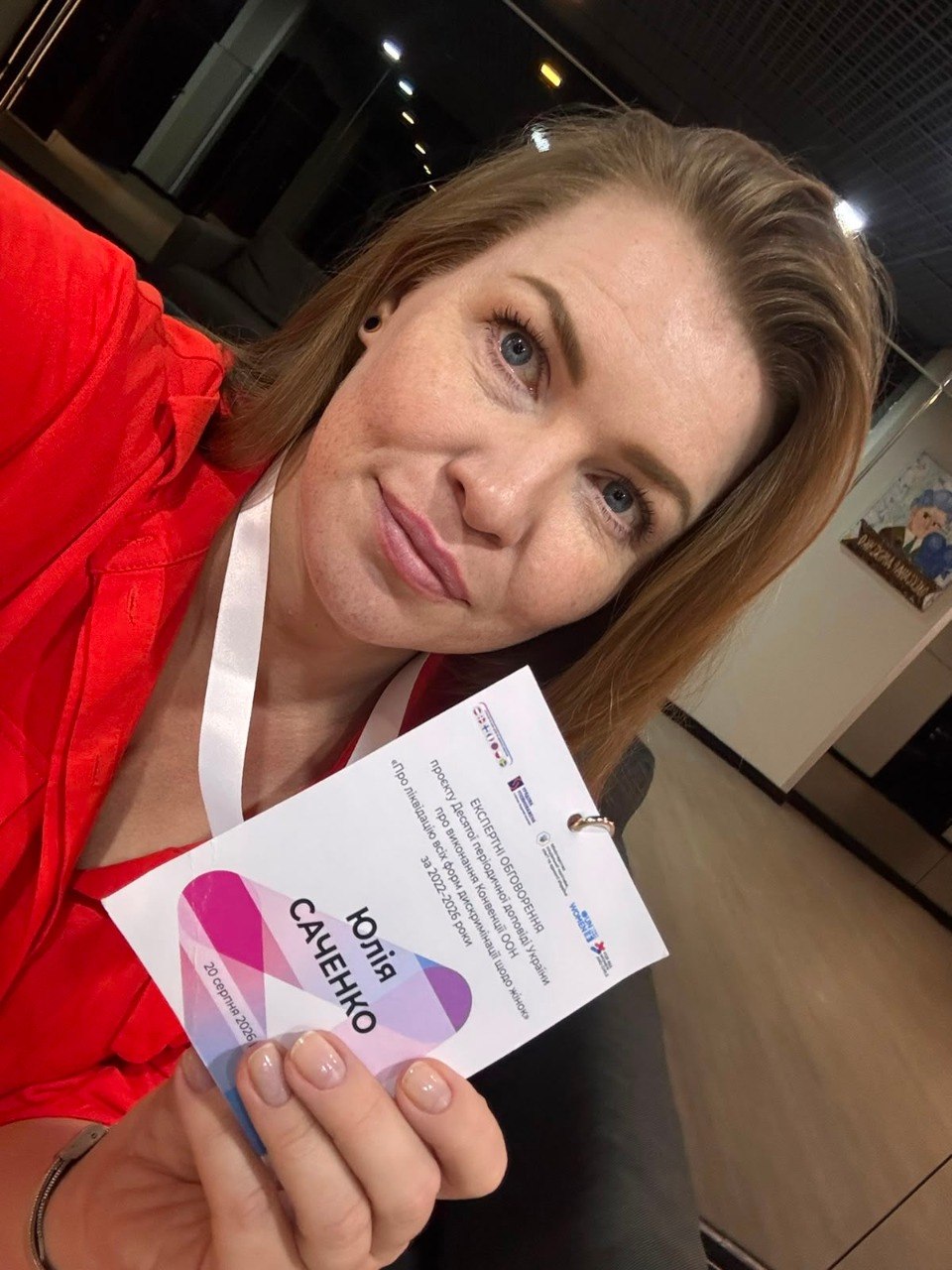
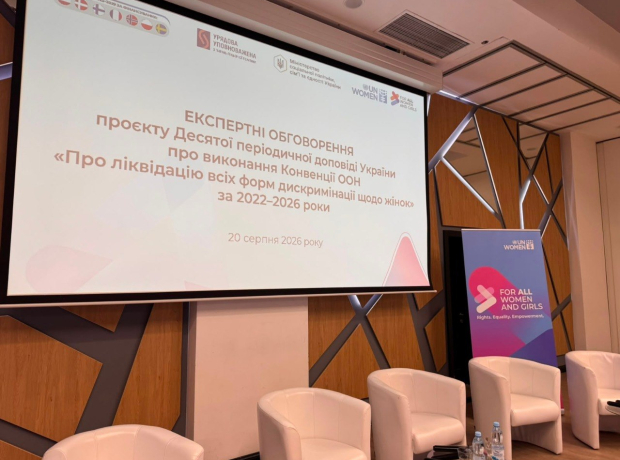
On 20 August in Kyiv, the Counter-Trafficking NGO Coalition joined expert discussions on the draft Tenth Periodic Report of Ukraine on the implementation of the UN Convention on the Elimination of All Forms of Discrimination against Women for 2022–2026. The Coalition was represented at the event by Yuliia Sachenko.
Ukraine Is Preparing Its Tenth Periodic Report to the UN Committee
The Tenth Periodic Report is to cover Ukraine’s progress in implementing the UN Convention on the Elimination of All Forms of Discrimination against Women in 2022–2026. The document is intended to show the results achieved in gender equality during the reporting period, the issues that remain relevant, and the further steps the state needs to take.
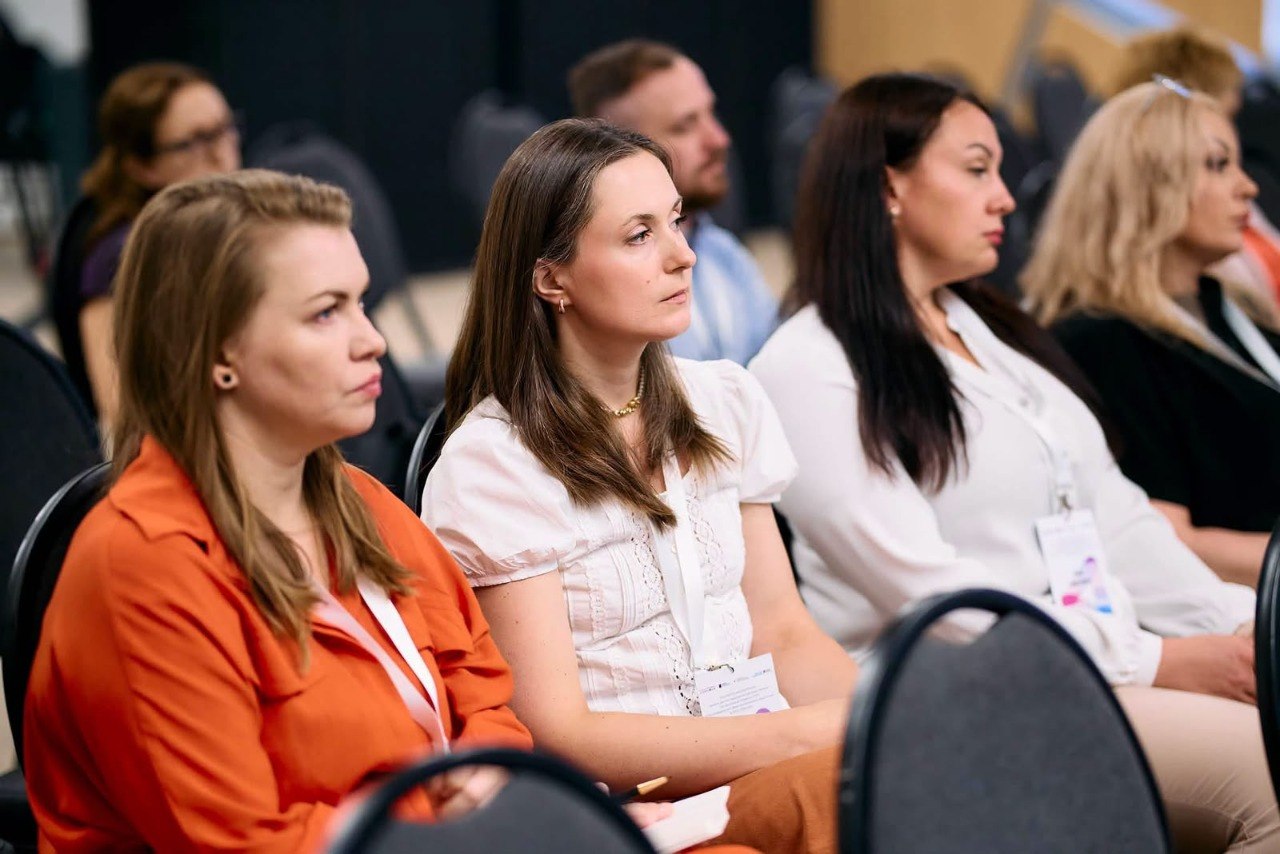
The report is being prepared with the participation of central executive authorities and other stakeholders. The expert discussion of the draft was part of an open and inclusive process—an opportunity to obtain professional comments and proposals and identify key challenges and public policy priorities in gender equality.
Participants included First Deputy Minister of Social Policy, Family and Unity of Ukraine Liudmyla Shemelynets, representatives of public authorities, international and civil society organisations, and the expert community.
Over these years, Ukraine has achieved a great deal in gender equality. We see that fewer and fewer professions are perceived as exclusively female or male. This has become especially evident since the start of the full-scale war. However, today we are also seeing an increased number of cases of violence and discrimination, particularly against women. We must therefore focus on what we have yet to achieve and the tasks ahead of us.
 Liudmyla Shemelynets
First Deputy Minister of Social Policy, Family and Unity
Five Areas of Expert Discussion
The event programme featured five moderated thematic discussions structured around the key sections of Ukraine’s draft Tenth Periodic Report.
Participants Discussed:
- institutional and legal foundations for ensuring gender equality;
- ensuring women’s rights in conflict settings under the Women, Peace and Security agenda;
- the role of women in the security and defence sector;
- ensuring women’s rights and overcoming discrimination in the social sphere;
- gender equality in the economic sphere.
Issues raised during the discussions included women’s equal participation in political and public life; protection of the rights of internally displaced women and women under temporary protection abroad; conflict-related sexual violence; access to justice; gender-based and domestic violence; women’s rights in the security and defence sector; access to medical and social services; employment; entrepreneurship; and the gender pay gap.
Human Trafficking Is Part of the Women, Peace and Security Agenda
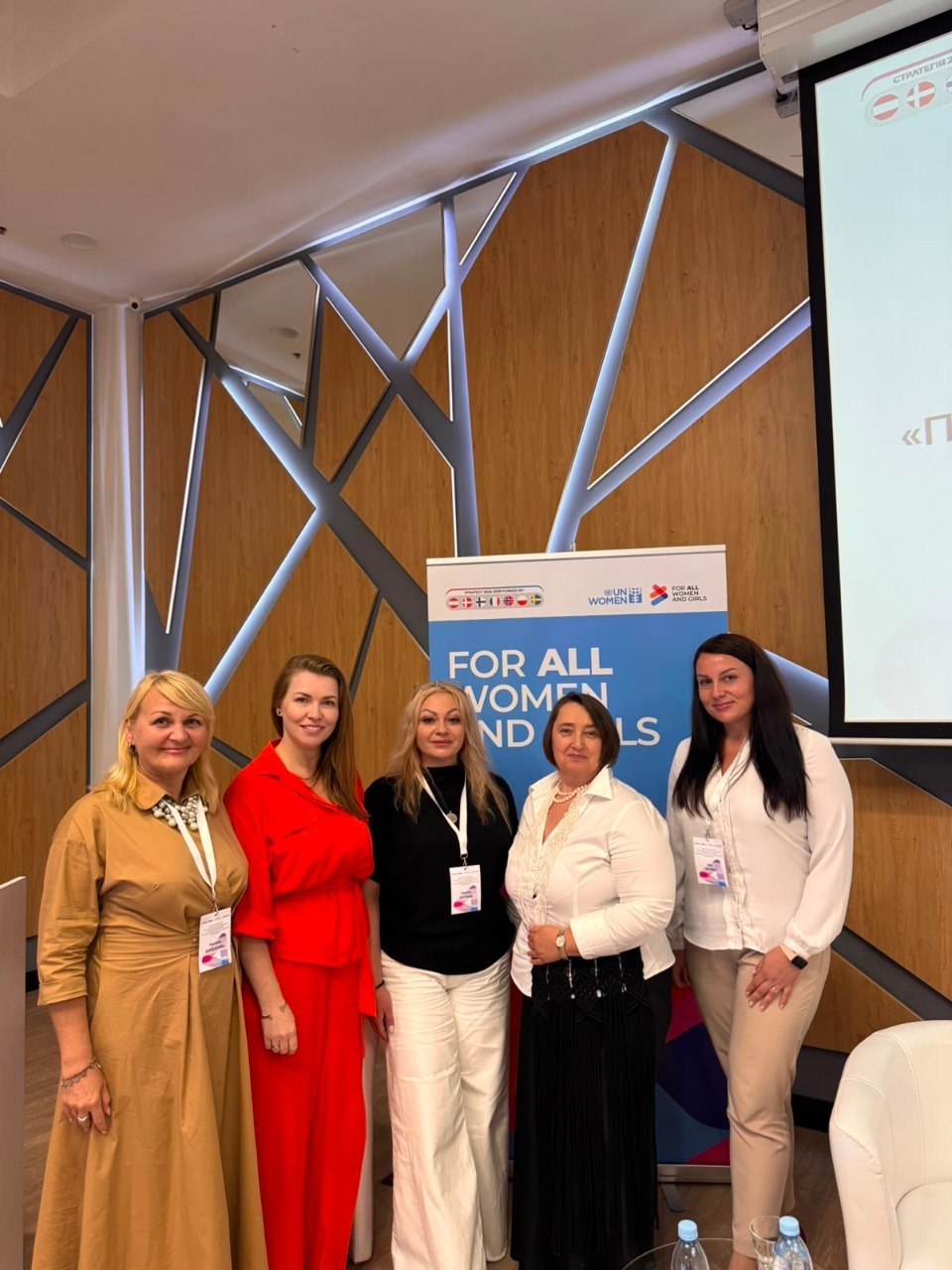
The thematic section ‘Women, Peace and Security: Ensuring Women’s Rights in Conflict Settings’ was especially important to the Coalition.
The corresponding section of the draft report addresses human trafficking and exploitation alongside conflict-related sexual violence, the situation of women living in war-affected areas, internally displaced women, and access to justice.
The Expert Discussion Also Specifically Addressed Comprehensive Assistance for Survivors of Human Trafficking, Including:
- social services;
- medical assistance;
- legal support;
- employment assistance;
- restoration of documents;
- an effective system for collecting data on human trafficking cases.
It is essential to the Coalition that counter-trafficking be considered within precisely this comprehensive context.
The war not only creates new risks of exploitation but also exacerbates existing vulnerability factors. Loss of housing and income, forced displacement, searching for work in Ukraine or abroad, the disruption of social ties, and dependence on outside assistance can increase a person’s risk of exploitation.
At the same time, effective counter-trafficking does not end once a survivor has been identified. Safe referral, access to social, psychological, medical, and legal assistance, restoration of documents, support for economic independence, and long-term reintegration are equally important.
That is why counter-trafficking must remain an integral part of public policy on human rights protection, gender equality, social protection, and security.
From Expert Proposals to a Refined Report
Following the thematic discussions, participants provided comments and proposals on Ukraine’s draft Tenth Periodic Report. These are to be taken into account as the document is further refined.
The outcomes of the discussions are also expected to help strengthen interagency cooperation as Ukraine fulfils its international commitments on gender equality.
The participation of civil society representatives in such processes is important to ensure that public policy and international reporting take into account the practical experience of organisations that work directly with survivors and groups vulnerable to exploitation.
The Counter-Trafficking NGO Coalition will continue to engage in expert dialogue and advocate for systemic solutions aimed at preventing human trafficking, protecting survivors’ rights, and ensuring Access to Assistance.
The event was organised at the initiative of the Ministry of Social Policy, Family and Unity of Ukraine in partnership with the Government Commissioner for Gender Policy, within the framework of the UN Women Ukraine Strategic Note for 2025–2029, with financial support from the governments of Denmark, Norway, Poland, Finland, and Sweden.
Counter-Trafficking NGO CoalitionPress Service
Latest news
Countering human trafficking in Ukraine since 2011
Today is not about dates, but about people
Those who were forced to work without pay, sold, involved in crimes, or exploited


0
victims
