
 UA
UA News and Events
Countering human trafficking in Ukraine since 2011
Important and necessary information! Let’s fight for freedom together!
When “there is a job” is a trap: how communities are informed about the risks of human trafficking
“There is a job. We provide accommodation, and we will help arrange the documents”
“Accommodation is provided, and we will help arrange the documents.” It is precisely with such messages that involvement in situations related to human trafficking or forced exploitation often begins.
From the outside, this looks like an opportunity to resolve life difficulties — to find work, receive income, or get support. This is exactly what builds trust and reduces the sense of risk. But later, the conditions may change: control, dependency, and situations from which a person finds it difficult to get out independently begin to emerge.

Today, the risks of human trafficking remain high, especially for vulnerable groups.
According to the NGO “Dzherelo Nadii Ukrainy” — a member of the Counter–Trafficking NGO Coalition:
- more than 160 minors have been involved in crimes since the beginning of the full-scale invasion;
- 55% of survivors are unemployed adults;
- 22% are minors;
- 7% are people who had problems with the law.

This indicates that the risk is not limited by age or social status — the determining factors are circumstances and the level of awareness. That is why it is important not only to inform, but also to build practical skills that help recognize danger and act in real-life situations.
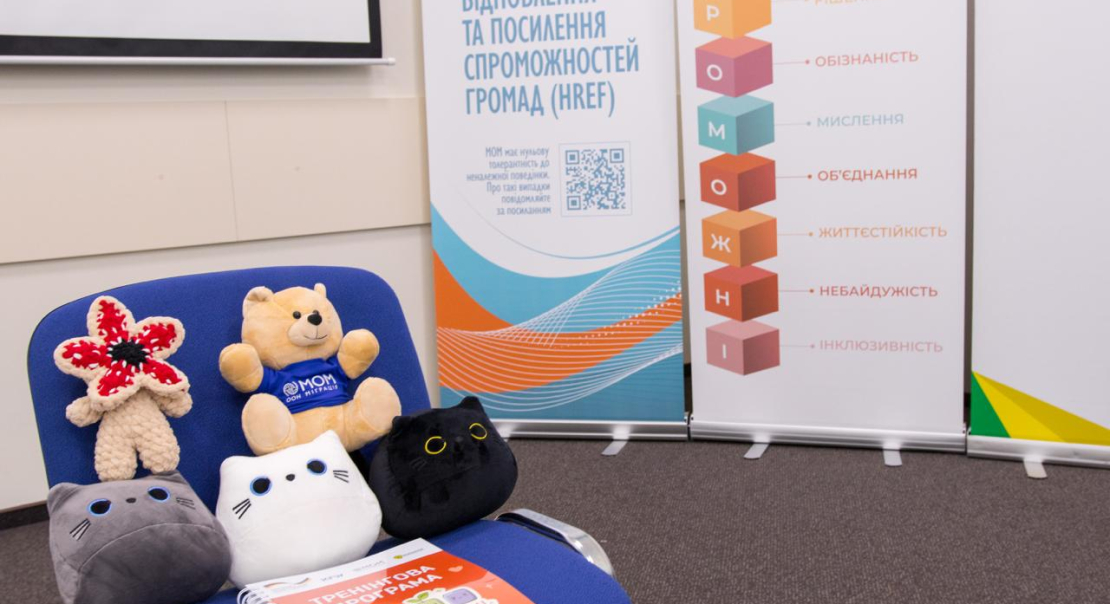
In response to these challenges, the NGO “Dzherelo Nadii Ukrainy” conducted the training “Capable: specific features of implementing a programme to strengthen the capacity of community residents in countering / reducing protection risks”.


During the training, the participants:
- examined how mechanisms of involvement in risky situations operate and why they are difficult to recognize at the initial stage;
- analysed real cases in order to understand what danger looks like at different stages;
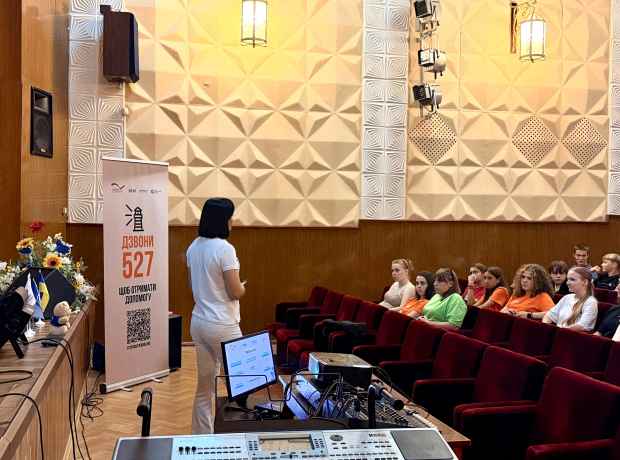
- practised approaches to conducting information and awareness-raising activities in communities;
- became familiar with tools that help explain risks and work with different audiences.
Remembering safety means paying close attention to details, asking questions, and not agreeing to dubious offers. Sometimes, that very decision becomes decisive.
 Counter–Trafficking NGO Coalition
Press Service
Latest news
Countering human trafficking in Ukraine since 2011
Today is not about dates, but about people
Those who were forced to work without pay, sold, involved in crimes, or exploited


0
victims
